
How Much Firewood Should You Order for the Winter?
When temperatures drop, having enough firewood on hand becomes essential for staying warm, especially if you rely on wood heat as a primary or supplemental source. Ordering the right amount prevents last minute shortages, ensures steady comfort, and helps you budget for the entire winter season. Understanding how much wood you really need depends on factors like home size, insulation, climate, and how often you use your fireplace or wood stove.

How Firewood Is Measured
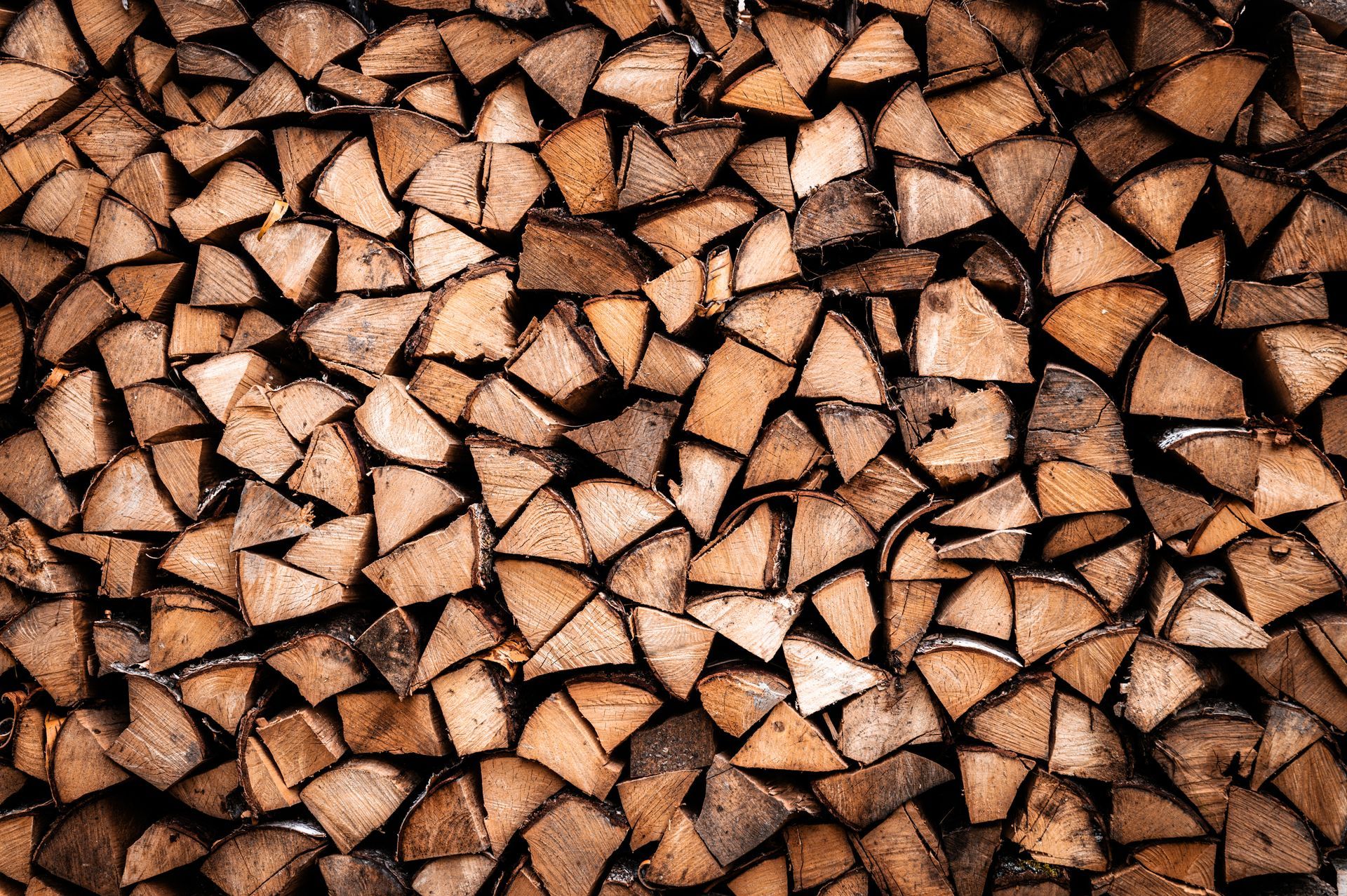
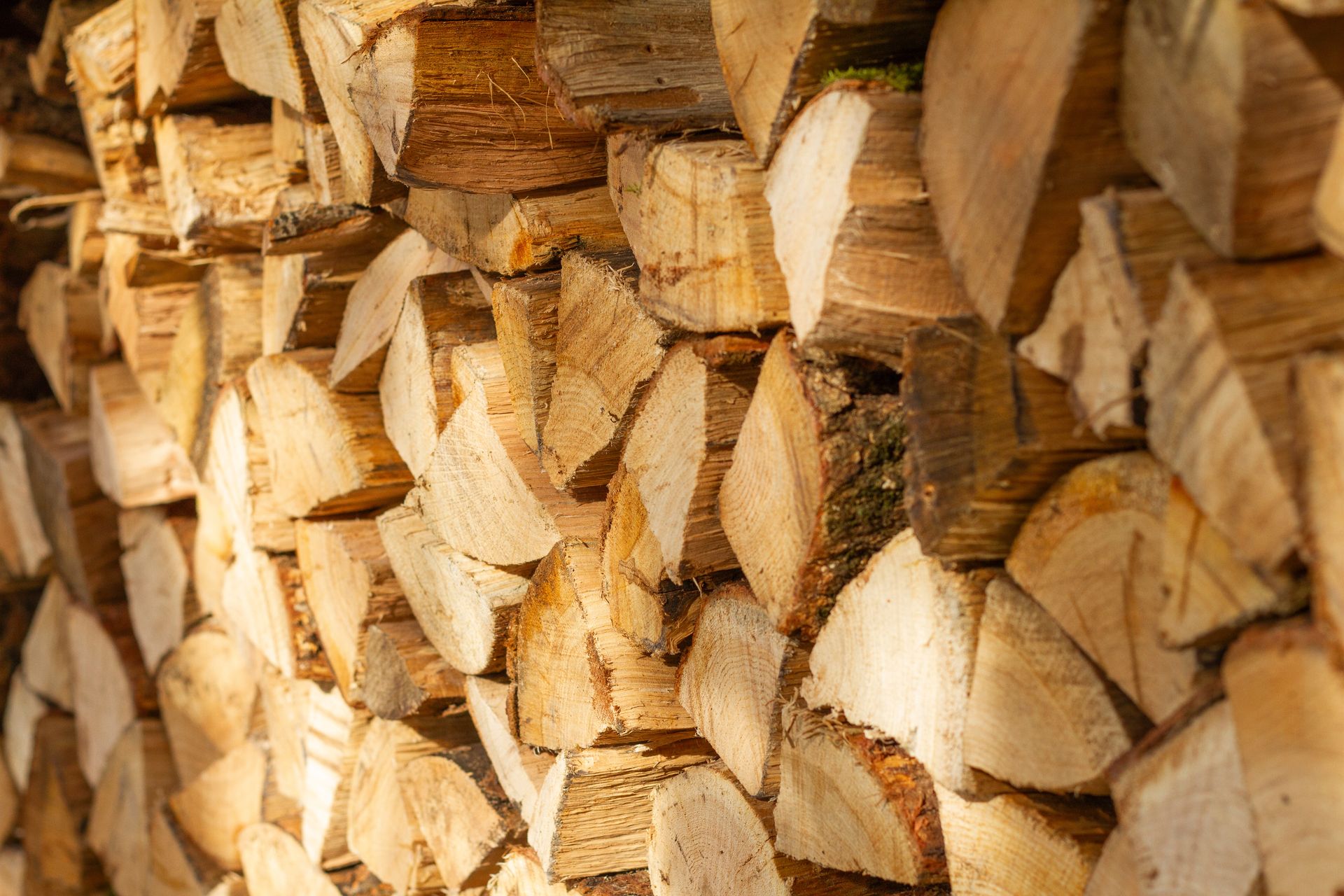
Firewood is typically sold by the cord, which is a standardized measurement equal to a stack that is four feet high, four feet deep, and eight feet long. Some buyers choose face cords or half cords, which are smaller quantities depending on storage space and usage needs. Knowing these measurements helps you order the right amount without overpaying or running short during the coldest months.
How Often You Use Wood Heat
One of the biggest factors in determining how much firewood to order is how frequently you burn:
- Occasional burners who use a fireplace for ambiance may only need a face cord or less.
- Supplemental heaters who light fires on cold evenings typically need one to two cords.
- Primary wood heat users often require three to five cords for a full winter, depending on weather conditions.
Tracking your usage and reviewing your local winter temperature averages can help you estimate how much wood your home will require.
The Efficiency of Your Stove or Fireplace
Modern wood stoves burn hotter and more efficiently than older models, meaning they require less firewood to produce the same amount of heat. Traditional fireplaces release more warmth up the chimney, so they burn through wood faster. Understanding the efficiency of your heating appliance is key when planning your firewood order.
How Home Size and Insulation Affect Wood Usage
Larger homes and poorly insulated spaces consume more firewood to maintain comfortable temperatures. Upgrading home insulation often reduces the amount of wood needed throughout the season. Well insulated spaces retain heat better, making your firewood supply last longer.
Climate and Weather Conditions
Colder regions or winters with frequent storms require more firewood. Mild winters call for less, but it is always smart to order a little extra so you are prepared for unexpected cold snaps. Monitoring seasonal weather forecasts can help you adjust your order based on expected conditions.
Storage Space and Wood Seasoning
Before ordering, make sure you have enough space to store your firewood in a dry and well ventilated area. Properly seasoned firewood burns hotter, cleaner, and more efficiently. Ordering early ensures better supply, faster delivery, and more time for the wood to dry if needed.
Conclusion
Ordering the right amount of firewood for winter depends on how often you burn, the efficiency of your heating system, and the size and insulation of your home. Whether you need occasional bundles or full winter loads, DnA Delivery & Junk Removal provides dependable firewood delivery to keep your household warm all season long.